
1 min read

Newest Microschools Prioritize Nonacademic Growth

Newest Microschools Prioritize Nonacademic Growth

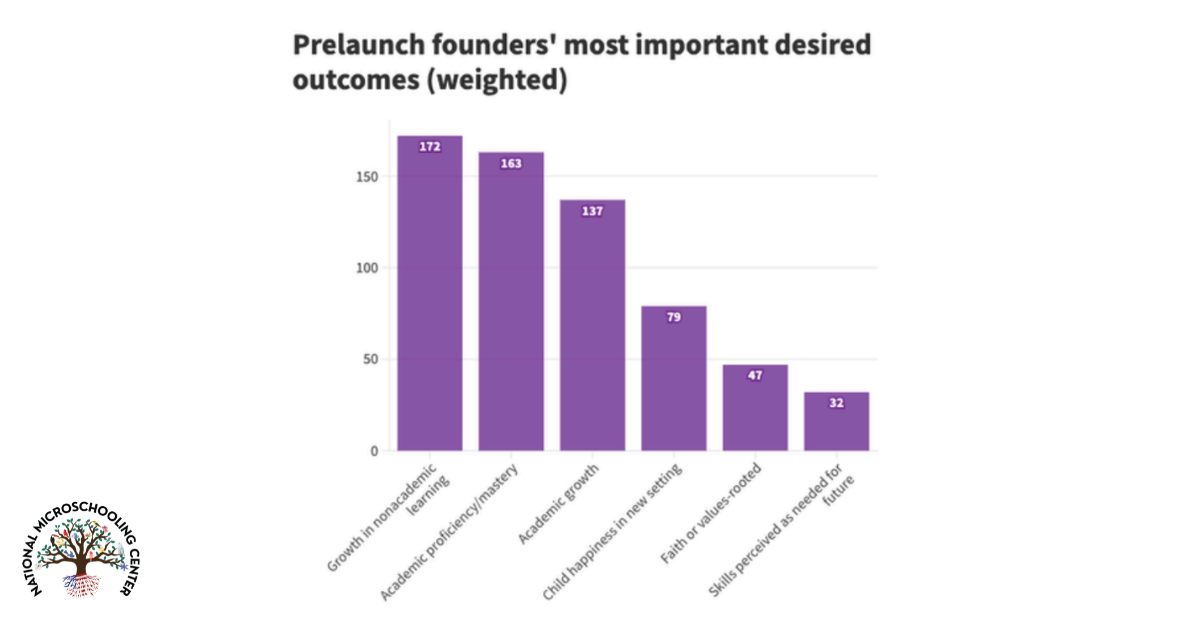
For the first time, new prelaunch microschool founders indicated that growth in nonacademic learning ranks as their top priority among desired student outcomes for their microschool.

Academic proficiency/mastery came in a close second, followed by academic growth. Microschools surveyed were asked to identify their top three desired student outcomes for their microschool, and responses were weighted according to these rankings.

While academic skills and competencies, including basic literacy and math skills, are well defined, non-academic skills exist alongside these, and can include student self-management and social awareness, skills widely referred to as social-emotional skills such as empathy, communication, and resilience. Specific educational approaches, microschools among them, often add their own context for non-academic learning – faith-based and values-rooted school models, workforce readiness, Montessori, Waldorf, and other models prioritize different kinds of nonacademic learning.

Social Emotional Learning (SEL) can often comprise a major element of nonacademic learning. As Jonathan Schweig, senior social scientist at the RAND Corporation noted, “SEL assessment provides a perspective on aspects of youth development that academic data alone cannot reveal. When educators measure SEL, they’re affirming that relationships, belonging and self awareness matter just as much as reading and math.”

Following a substantial dropoff in weighted rankings, children’s happiness in their new educational setting was the fourth-rated response, followed by faith- or values- rooted growth, and growth in “skills perceived as needed for future success.”

We know that families choose microschools for many different reasons. With more students coming to microschooling from traditional, district-operated public schools, and more than half of microschool founders either currently or formerly licensed educators from public school systems, it should be seen as significant that nonacademic growth is not generally included in measurement, or "accountability measures," for these traditional systems of schooling.

As innovative, nontraditional schooling continues to gain popularity, and market share, around the country, often as part of school choice programs requiring participation in government-imposed accountability systems, it is important that these systems offer them opportunities to recognize the same outcomes their families prioritize, such as nonacademic learning.  

These findings are part of American Microschools 2026 Sector Analysis, a report by the National Microschooling Center.

New RAND Study Examines Microschools

New RAND Study Examines Microschools

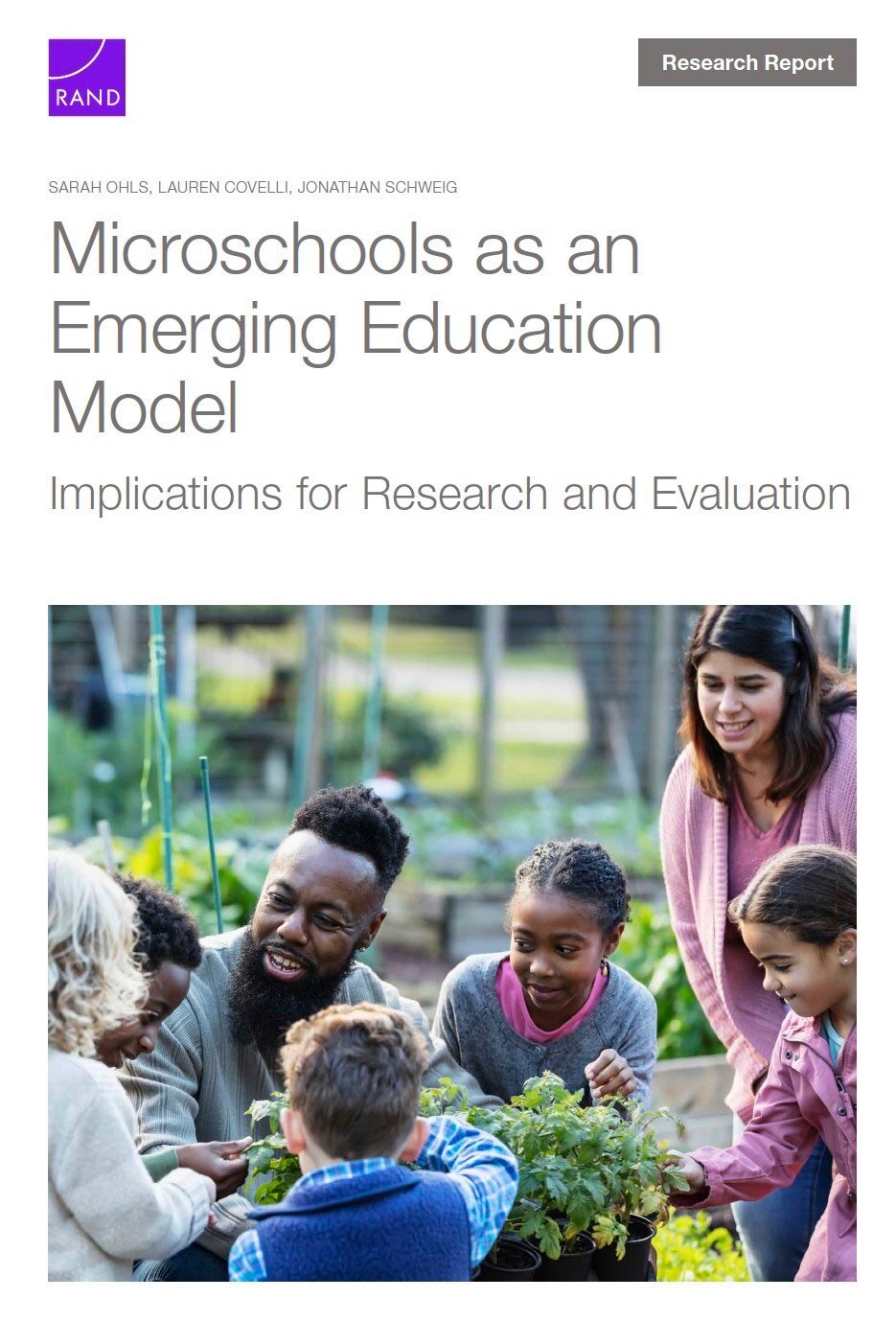
The RAND Corporation, one of the nation’s oldest and most admired independent research organizations, this week published its first in-depth report...
Read More
The Wide Range of Positive Outcomes Microschools Are Designed To Achieve

The Wide Range of Positive Outcomes Microschools Are Designed To Achieve

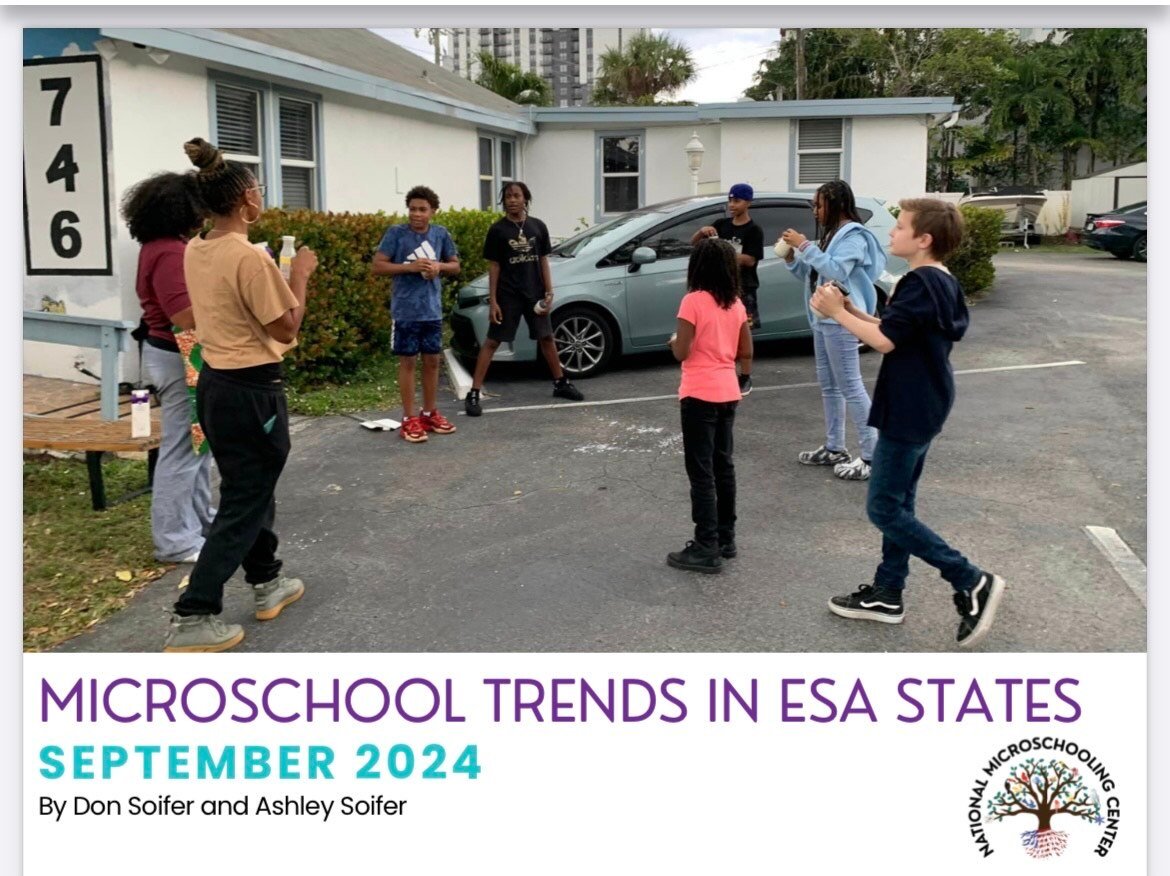
Microschools can be, and frequently are, unique learning environments where learning and growth take place in any number of different ways. This...

Read More