
What Facilities Do Microschools Operate In?
Finding functional, affordable facilities space is often a challenge for microschool founders. Microschools need to operate in convenient locations...
2 min read
Don Soifer
:
Jul 23, 2026 7:40:56 AM
As microschooling’s popularity with families continues to gain momentum in communities around the country, often the movement’s biggest barrier to growth comes from challenges gaining local government approval to open for business. Last month, Louisiana Governor Jeff Landry signed a new, no-nonsense approach to facilities for microschools that just might represent the stongest, most straightforward solution to these challenges to date.
Act 885, sponsored by Representative Kathy Edmonston, offers a modernization of regulatory and bureaucratic challenges which can present real barriers to their opening in new communities. In recognizing supporting “parent-driven” microschools, it also protecting them from resistance exercised by local zoning and planning officials resistant to these small, often nontraditional and highly individualized schooling options.
With this law, Louisiana becomes the fourth state, following Georgia, Texas and Tennessee, to implement “Protection Act” legislation, offering microschools and learning pods the ability to invoke a state law preventing local government officials from preventing or effectively preventing them from opening in facilities convenient for the families they serve.
Like any business, they are required to gain approval for their business licenses to operate in specific facilities and locations. Often the local officials with responsibility for these approvals have limited experience and familiarity with these small educational models, which have become popular with families across the country.
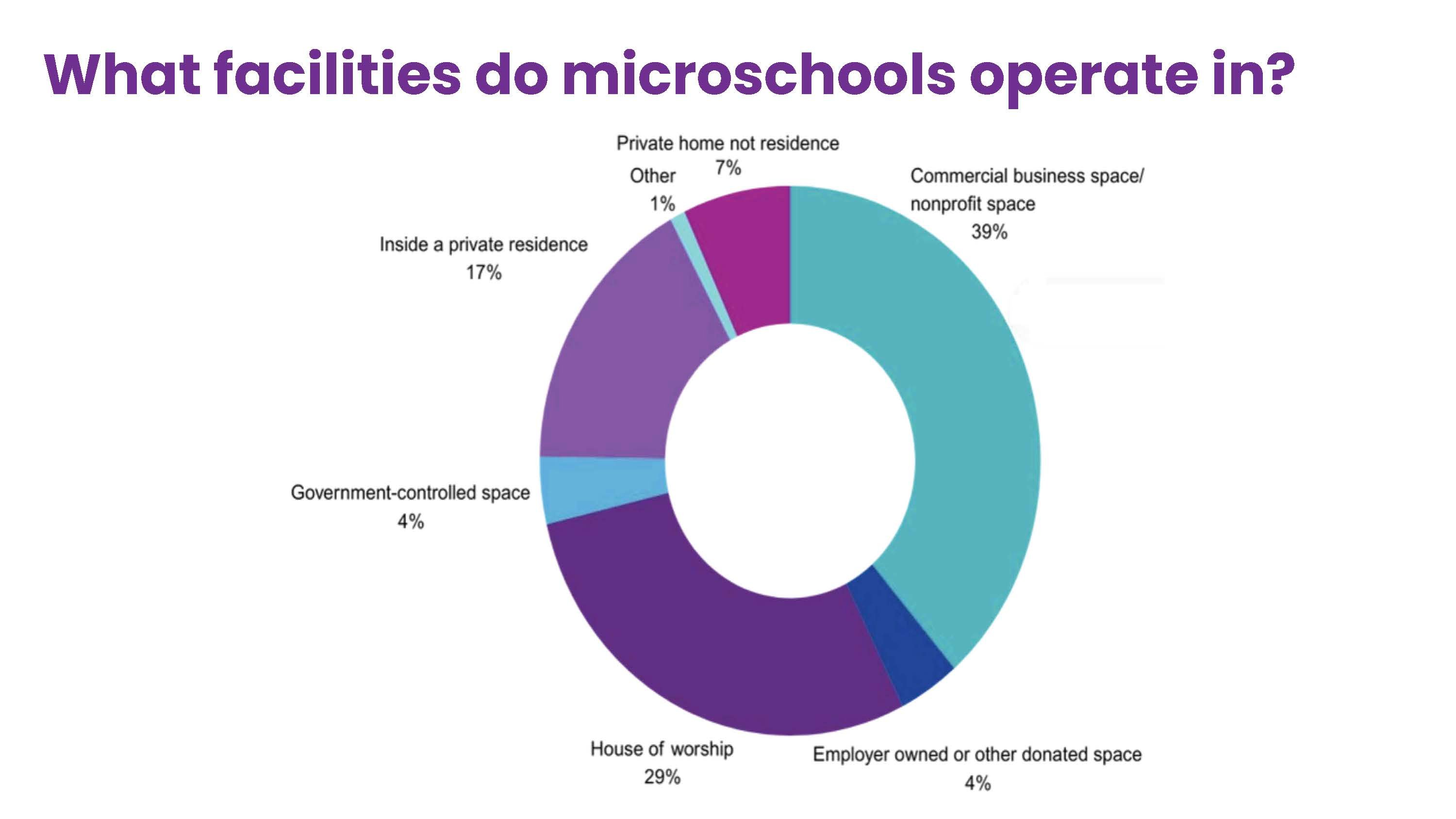
As a result, it can laborious and even extremely expensive to gain the local approvals necessary to operate. Microschools on average serve just 20 children, often fewer, and to usually open in commercial business or retail spaces, or in houses of worship or even converted space in family homes.
It is common for founders to be told they need to obtain zoning changes from local planning boards, or to purchase industrial-grade sprinkler systems or other modifications fire safety officials are used to requiring of large, traditional schools. Requirements made in the name of so-called “E-Occupancy” specifications contained the International Building Code frequently require small microschools to purchase sprinkler systems costing tens of thousands of dollars or to hire contractors to upgrade buildings, even though they may only be seeking 3 year leases on small spaces.
The Louisiana law, sponsored by Representative Kathy Edmonston, stipulates that If a building has met the occupancy requirements as a home or business, no additional building code requirements or fire safety regulations shall be added, because of the presence of the microschool. Further, the law states that no government entity can restrict or deny a microschool’s use of a building.
“What makes this bill significant to me is that it formally recognizes a growing educational movement, and families need clarity around what that looks like,” observed Dr. Lacrecia Terrance, founder of The EduProject Innovation Academy, a microschool in Baton Rouge.
“As someone leading an innovative school, I see this as an important first step. It signals that Louisiana recognizes the growing interest in alternative learning models and the importance of supporting families in exploring those options.”
Finding functional, affordable facilities space is often a challenge for microschool founders. Microschools need to operate in convenient locations...
For many businesses, recent changes by the federal Department of Labor to the Fair Labor Standards Act (FLSA) concerning requirements for employers...
The profound diversity of America's microschooling sector is found across many aspects and dimensions of the work they do to support their learners...