Prioritizing Universal Design for Learning at The Pearl Remote Democratic High School
Professional development is a key part of any educator’s life. At The Pearl Remote Democratic High School, our teachers meet weekly to explore new...
2 min read
Don Soifer
:
Oct 1, 2026, 2:35:40 AM
Americans are relying on our elementary and secondary schools to prepare our children to succeed in our fast-changing economy. Innovative, nontraditional school models
Talented education leaders across the nation are working admirably to implement systemic changes. Unfortunately for so many of today’s students, substantial evidence shows that these changes are happening nowhere quickly enough to make the needed difference for many of them.
As Tim Thomas, president of national nonprofit America Succeeds, wrote last year, “We’ve been training students to perform under conditions of certainty in a world that runs on uncertainty.”
Our education system must evolve rapidly meet changing needs of a new, uncertain world of work where durable skills, especially the skills of human professional interaction will be especially important.
As assessment after assessment seem to prove that systemic change of school systems happens slower than we would like, today’s movement of nontraditional microschools and outside-the-system learning options is showing what is possible.
These models can look very different than those in the traditional systems more familiar to us, as do their impacts, and in ways that support student flourishing to meet these challenges. Findings from a national microschool survey by Daniel Hamlin, “Measuring the Microschool Experience: A National Analysis of Student Experiences, Family Perspectives, and Learning Outcomes,” include:
What tells us models like these are headed in the right direction?
While it is projected that less than 50% of the high school class of 2026 will eventually earn a bachelor’s degree, the level of preparation for success they gain in their high school years is more critical than ever. An estimated one-quarter of jobs they know today will disappear during their professional lifetimes.
In the new economy which has already arrived in many regions of the country, job seekers must understand how to show hiring managers why their particular knowledge and experiences matter, and be able to identify and explain why what they have learned is relevant to their work success. They must do so even while shifting between different industries.
And as adults and citizens, they must learn to flourish as adults in a society where we are relating less and less with people from whom we differ, as Michelle R. Weise explains in her book Long Life Learning.
Mastery-based instructional models popular across today’s microschool movement represent one important example of positive change.
Replacing the time-based learning developed for the public school systems of the mid-twentieth century, commonly referred to as seat time requirements, with new competency based learning models, is a strategy broadly embraced by school reform authorities. “Most importantly, learners [in competency-based learning models] master concepts before advancing by demonstrating what they know, what they can do and how they can apply that learning in real-world settings,” as explained by KnowledgeWorks CEO Matt Williams.
The need for such change has received increased attention in public school systems in recent years, but actual examples of models implemented and underway remain rare. While now allowed in every state, uneven adoption to date means actual progress has been confined to policies, and little else.
Such innovative learning models are thriving across many of today’s microschools.
"We know that a commitment to our continual learning is foundational to our students' success," observes Robin Harwick of the Pearl Remote Democratic High School in Washington State.
Dr. Tyler Thigpen, director of the Institute for Self-Directed Learning and founder of Georgia’s The Forest School: An Acton Academy and the Forest School Online, explains, “I think the nation that transforms its education system into one graduating self-directed learners is way more empathetic, productive, understanding, constructive. In a world that’s changing faster than any one test can measure, agency isn’t optional — it’s vital.”
Professional development is a key part of any educator’s life. At The Pearl Remote Democratic High School, our teachers meet weekly to explore new...
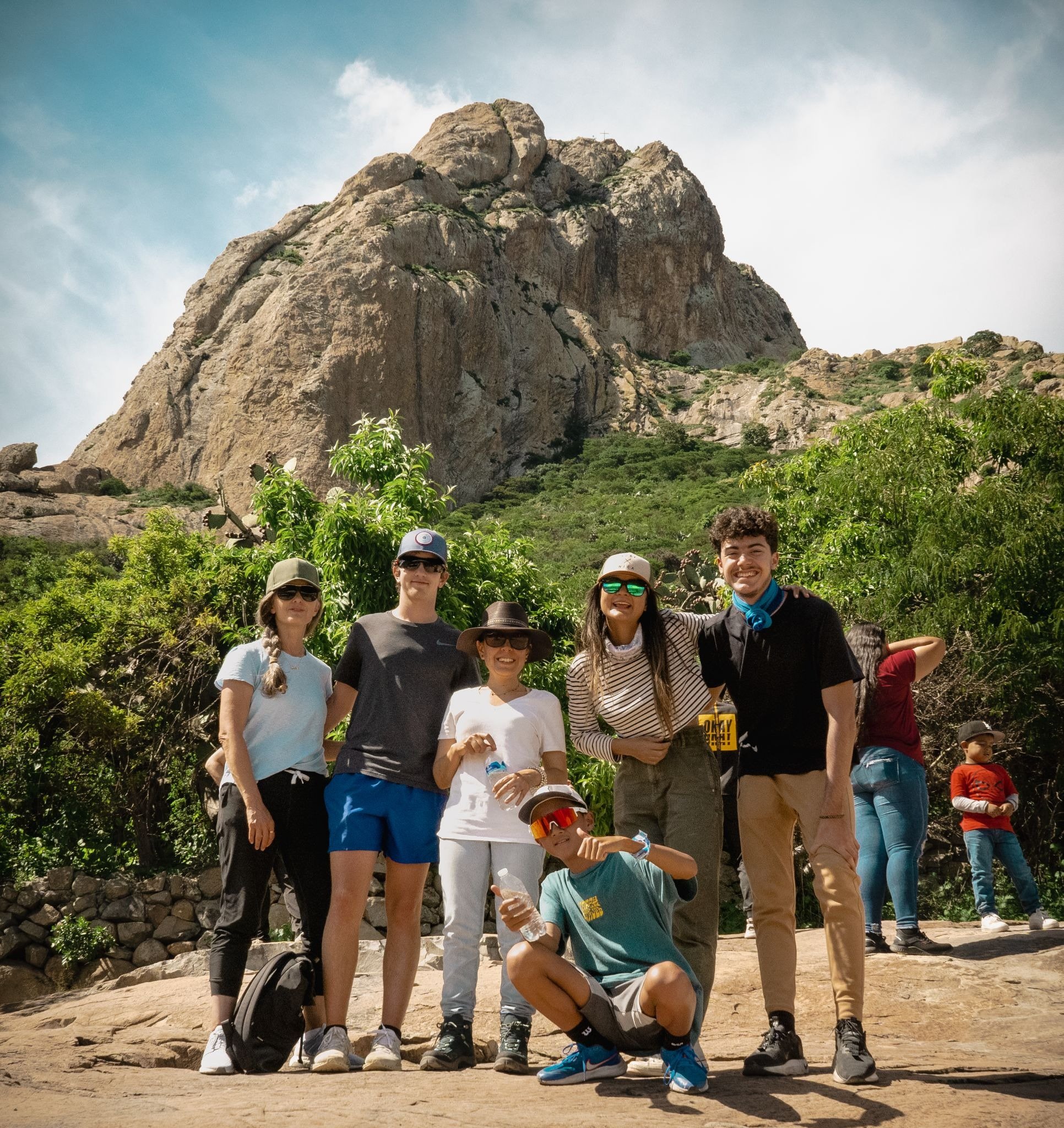
Today’s Microschooling Movement keeps on growing, innovating and expanding.
It can be scary taking charge of your children’s education—I remember feeling very relieved when my oldest received her first college acceptance. But...