
Whether you are just starting out or have been running your microschool for years, the work can feel lonely. You may feel like you are on your own little island, trying to support each student’s academic growth and personal well-being while also managing enrollment, staffing, curriculum, schedules, facilities, family communication, and all the details that keep your microschool running smoothly.
The right community partners can bring support, resources, and opportunities. They can help you expand what your microschool offers without asking you to carry every responsibility alone.
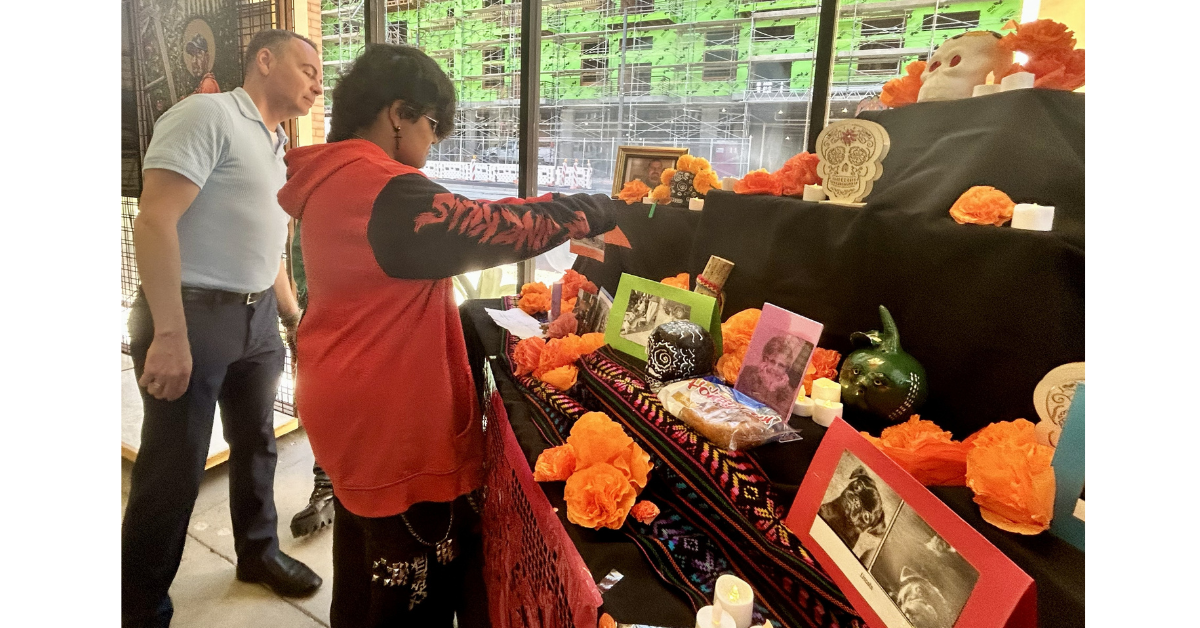
Community partners can help your microschool connect students and families with resources beyond the classroom. They may offer after-school enrichment, mental health and wellness services, meals, transportation, or family resources. They may also provide hands-on learning opportunities, connect you with prospective families at community events, or help your microschool build stronger relationships within the neighborhood.
Start with your students’ needs, not a list of organizations
The best place to start is with your students’ needs, not with a list of organizations. Before reaching out, list the challenges your microschool is facing and the areas where additional support would be helpful.
Consider questions such as:
- What support would families value?
- What would make learning more meaningful for students?
- What resources would help remove barriers to attendance or participation?
- What skills, cultures, or perspectives could enrich students’ learning?
- What needs are difficult for your current team to meet alone?
Move beyond broad goals such as “we need community support.” Instead, identify a specific need: “We are looking for a local artist who can help students complete a mural,” or “We want students to learn about careers in health care through conversations and workplace visits.” A clear need makes it easier to identify a relevant partner.
Map the community around your microschool
Once you know what you are looking for, make a map of the people and organizations already connected to your students, families, staff, and neighborhood. Start closer to home than you might expect.
Potential partners may include:
- Families, alumni, and friends of the microschool
- Libraries, museums, parks, recreation centers, and cultural organizations
- Local businesses, employers, and professional associations
- Colleges, universities, trade schools, and career-training programs
- Nonprofits, community-baseball ed organizations, health providers, and social-service agencies
- Artists, makers, entrepreneurs, skilled volunteers, faith-based organizations, and neighborhood groups
- Public agencies and local government offices
Do not overlook individuals. A parent who works in construction, a neighbor who is a gardener, or a local business owner who wants to invest in young people may be an excellent partner for a specific project.
Ask your existing network who they know. A warm introduction can make it easier to begin a conversation than sending a message to a general inbox. Families, staff members, board members, landlords, and current supporters may already have relationships that can open a door.
Look for alignment, not just availability
A potential partner does not need to be connected to education to be valuable. Consider whether what they could offer connects with what your students and families need.
Before reaching out, learn what the organization does. Look at its website, current programs, and community priorities. Then ask:
- Does this potential partner have experience serving children, families, or the neighborhood?
- Does what they do connect with your microschool’s mission and vision?
- Could this partner provide something your students need?
- Would working together be respectful, useful, and manageable for everyone involved?
Also consider what your microschool can offer. A partner may value opportunities to engage with students, see student work, support families, or connect an existing program with the broader community. The contributions may look different on each side, but everyone should understand the purpose and value of being involved.
Make the first ask specific and manageable
A first conversation does not need to begin with a large request or a formal agreement. A small, clearly defined opportunity is often the best way to begin.
Instead of asking, “Would you be interested in working with our microschool?” try asking:
- “Would someone from your organization be willing to speak with students for 30 minutes about careers in your field?”
- “Could we visit your facility for a one-hour learning experience this semester?”
- “Would you be open to helping us identify resources for families who need support with food, transportation, or health services?”
- “Could we meet to explore whether your space might work for a student exhibition or community event?”
A specific request helps a potential partner understand what you need, how much time may be involved, and whether the opportunity is a good fit.
When you reach out, briefly explain who you are, what your microschool does, why you thought of the organization, and what you are asking. Keep the first message focused. Your goal is to start a conversation, not provide your entire history.
Build trust with follow-through
The first interaction is only the beginning. After a visit, presentation, donation, or volunteer experience, thank the partner promptly. Share a brief update about what students learned or created. If appropriate, invite the partner to a student exhibition, celebration, or other community event.
Keep track of commitments on both sides. Note the primary contacts, what was agreed upon, when you will reconnect, and what the next step should be. A simple partner log can prevent relationships from depending on one person’s memory.
Most importantly, do not contact a partner only when you need something. Share successes, ask for feedback, and recognize the partner’s contribution without turning students into a marketing tool. Trust grows when communication is consistent, expectations are clear, and the relationship remains centered on students and the community.
Know when a potential partner is not the right fit
Not every interested organization will be the right partner. Be cautious when the arrangement creates unclear expectations, places too much responsibility on your staff, conflicts with your values, or asks students and families to promote a product or service.
Working with a partner should support your microschool’s purpose, not distract from it.
Let one connection lead to another
You do not need a long list of partners to create a connected microschool. Start with one student need, identify a few people or organizations that may be able to help, and make one thoughtful invitation.
A conversation with a local organization may lead to a classroom visit. A family connection may introduce you to an employer. A student project may grow into a community event. Over time, these connections can create a wider circle of support around your students and families.
Leading a microschool may sometimes feel like being alone on an island, responsible for so much of what students need. It does not have to stay that way. Community partners can bring support, resources, and opportunities to your shore, helping your microschool become more connected to the community around it.
If you are launching or leading a microschool, the National Microschooling Center Training Institute offers practical, on-demand training and live office hours to support your team.

Darla Baquedano