How Microschools Can Offer Solutions to Traditional Education Challenges
In recent years, microschools have gained traction as a viable alternative to the traditional K-12 educational model. These small, often personalized...
2 min read
Dr. Jill Dunlap Brown : Mar 17, 2026 1:16:29 PM
As new founders begin dreaming about their microschool, one realization (hopefully) comes quickly: you do not have to be all things to all people.
For those of us who spent years in public education, that shift can feel uncomfortable. We were trained to meet every need, solve every problem, and stretch ourselves to serve everyone who walked through the door. When we didn’t know how to do something, we worked harder, we figured it out, and we carried it.
And if we are honest, we have always known the truth: no matter how hard we try, we cannot fully be everything to everyone.
The beauty of opening your own microschool is that you don’t have to––in fact, you don’t want to.
Clarity is part of what makes microschools so special. You get to design your school intentionally. You get to serve families who are looking for what you uniquely offer.
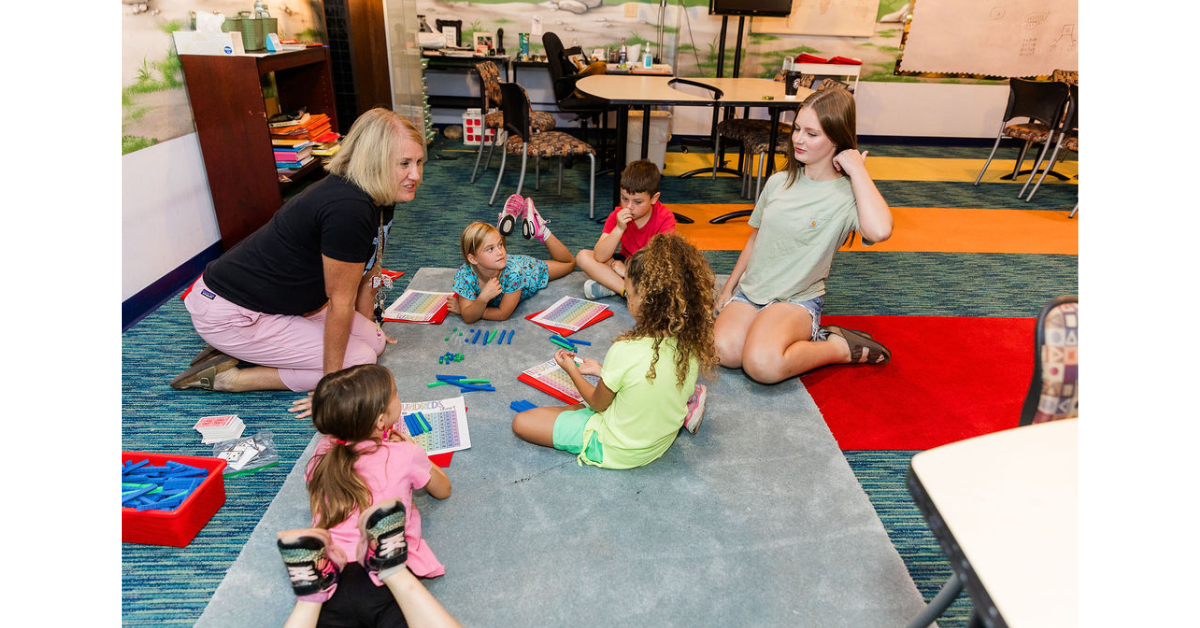
Some microschools serve neurodivergent students. Some partner closely with homeschool families. Some provide small group environments or hybrid schedules. Some focus on project-based learning, the arts, outdoor education, or entrepreneurship.
The possibilities are as varied as the communities they serve.
So how do you decide your focus? This is where dreaming intersects with planning.
Start by asking: What need do I see in my community? What conversations am I already having with families? Where do I feel both burden and excitement? Often, the overlap between community need and personal conviction is where your school begins to take shape.
Consider who might build this with you. Do you have teachers ready to step into something new? Is there a partner who shares your vision? What strengths do you collectively bring?
Then think with the end in mind. Five years from now, what do you hope your school will feel like? What stories do you hope families are telling? What kind of graduates do you hope you are sending into the world?
Once you can see that picture, work backward. What must be true in year three? In year one? In your first semester? Clarity about the future makes the present decisions easier.
You might also consider beginning as a learning center rather than a full school. Some founders launch with academic programming a few days a week and pair it with tutoring support outside traditional school hours.
This approach allows you to grow organically. You build around the students in front of you. You listen, and you adjust. You refine your model based on real needs rather than assumptions. Growth does not have to be rushed.
The bottom line is that you get to do education your way.
You get to lean into your areas of expertise. You get to design around your values. You can take the parts of education you love and release the parts that were not serving you or your students well.
That is the beauty of the microschooling movement. It is not about recreating the system on a smaller scale. It is about reimagining what is possible.
Families who seek out microschools are not looking for a slightly modified version of what they already have. They are looking for something different. They are looking for alignment and intentionality. They are looking for someone who sees their child clearly.
You do not have to serve everyone. You only have to serve your people well.
Embrace what could be and build with courage. Resist the urge to become all things to all people, and instead, become all the right things to the families who have been waiting for exactly what you are creating.
In recent years, microschools have gained traction as a viable alternative to the traditional K-12 educational model. These small, often personalized...
Enrollment season doesn’t begin when applications open.For us, it begins in November — with clarity, systems, and intention.
What Are Empowerment Scholarships and How Can They Help You Choose Your Child’s Education, Including Microschools?