 Don Soifer
Small Schools in the Big City: How State-Level Policy Inhibits Microschooling and Learning Pods
 News Story Posted by Center Staff : Sep 29, 2022, 6:34:19 PM
Juliet Squire
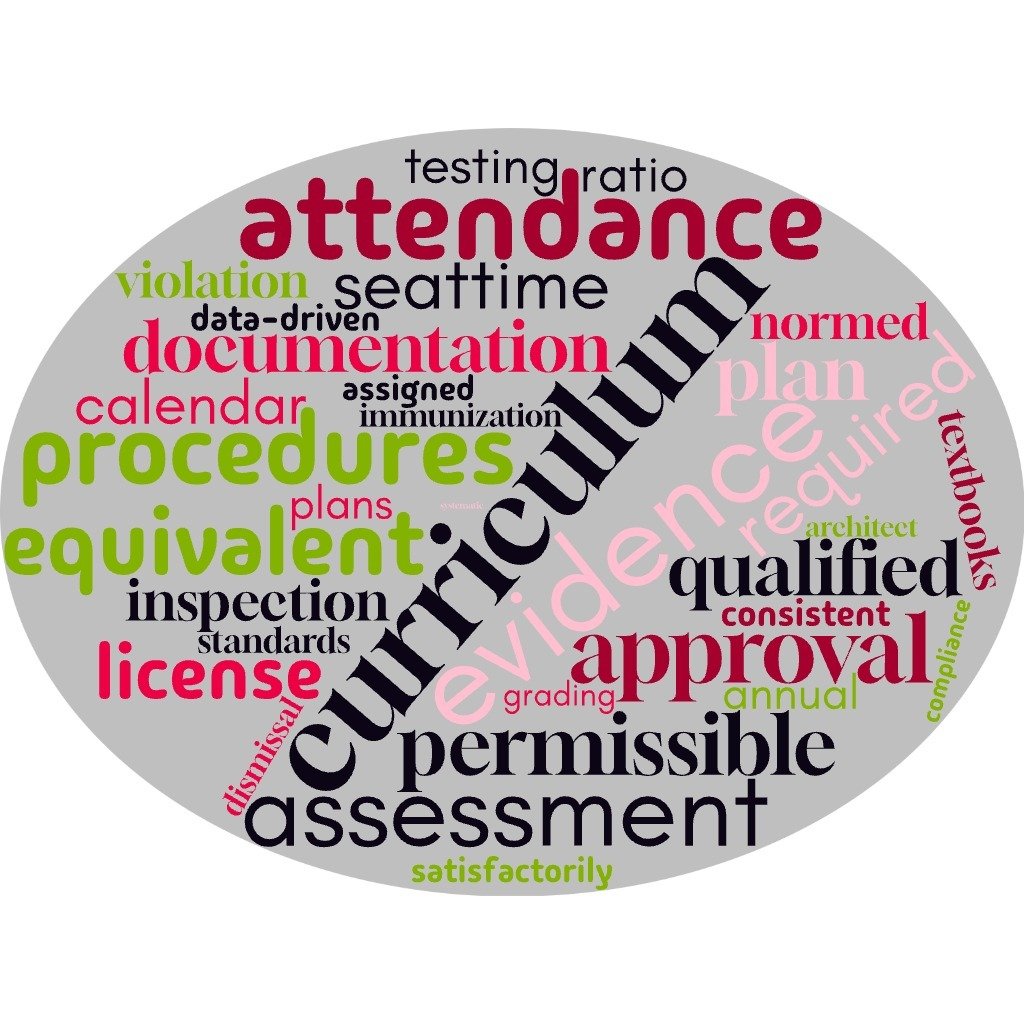
Today’s American microschools generally operate as nontraditional learning environments outside of established education systems. Often, their leaders choose not to join traditional private school operating categories, when they feel to do so would require them to compromise important aspects of their educational model. In many states with strong homeschooling laws, microschools find it preferable to operate as learning centers supporting families who agree to adhere to their states’ homeschool requirements.
Since education is largely governed at the state level in this country, microschools operate under 50 different state frameworks. Theirs is a fast-innovating and growing movement, mostly still in their early adoption stage. Along with the absence of consensus around definitions across the sector, this has meant lawmakers have rarely taken action to define them.
“Families that choose a microschool often require a different learning environment, and approaches, that are just not available inside a traditional classroom environment,” explains Shiren Rattigan, CEO and founder of Colossal Academy microschool in Fort Lauderdale, Florida. “For many founders, that responsiveness and responsibility to our families means making decisions about learning environment that can keep over heads low and make our students feel safe and comfortable."
Microschool founders are usually experienced educators, motivated toward ways which best support the educational vision they and the families they serve strive to master every day. This can become a problem where government programs and legal frameworks were created with larger, traditional schools of choice in mind, not anticipating that these innovative, small models would be so popular with families.
Why might microschools choose to not open as private schools under the rules and definitional categories of their state? Here are 5 commonly cited reasons:
Many states mandate that private schools require children to be in school for the same 170+ school days each year as public school systems – the same systems immersed in fighting “chronic absenteeism” as measured by ways much more relevant to the economies of the mid-twentieth century, not today’s. Florida is one state that has tried letting private schools apply for waivers for hybrid schedules, where children work online and offsite, to allow flexibility to build schooling around out-of-classroom learning experiences, but these have not yet proven popular with Florida’s vibrant microschooling communities.
It has become common in states with school choice programs allowing eligible families to use tax dollars to attend private schools to require standardized tests as a form of accountability for these funds. But many states where private school communities see no tax-supported tuition assistance require private schools to administer standardized test scores to their students and report their results to the state. Wyoming private schools, for instance, must report student performance on standardized tests to their state board of education.
In numerous states including Nevada, North Dakota and Wyoming, private school teachers and administrators are required to hold current state licenses or certificates, with limited exceptions available under certain conditions.
In Ohio, in order to be eligible for participation in the state’s EdChoice scholarship program, a microschool must hold status as state- board of education approved chartered nonpublic school, maintaining compliance with the Operating Standards for Ohio's Schools, which includes state licensing requirements for teachers and administrators, allowing certain exceptions.
Families that choose microschools often do so because they believe their children will be better prepared for future success outside of their public school system. Microschools’ flexibility to adapt curriculum and educational content are among their most vital flexibilities. However, a number of states, including New Jersey, New York and Wyoming, require private schools to teach all subjects taught in public schools. New York law states, “Instruction given to a minor elsewhere than in a public school must be substantially equivalent to the instruction given at the local public school.”
In states where private schools must be approved by their state board or department of education, many approval requirements can seem onerous and arbitrary to microschool founders. Michigan regulations, for instance, require new private schools which are not sponsored by houses of worship to have dedicated cash reserves of at least $50,000 prior to receiving state approval to open. In other states, private schools are required to buy surety bonds or certificates of deposit.
In Nevada, where the state board of education must approve private schools every two years, private schools of any size are required to conduct expensive and time-consuming traffic studies and detailed architectural plans, even when most microschools operate with standard, short-term commercial leases. Also required in an extensive binder of other required information are the number of titles in their library, administrator resumes, job descriptions, report cards, and food service facility inspection reports.
In most states, systems and laws for zoning approvals, business operating licenses and other consequential operating areas for microschools are built on outdated operating definitions. The end result has often been microschool families missing out on valued schooling opportunities for their children. Some states have tried to resolve these disconnects. Unfortunately, new legislation, including the new federal tax credit scholarship program, has been written with the assumption that the choices families made will conform within old private school designations. Failure to update these approaches will surely result in missed opportunities for innovative, small learning environments popular with families.
News Story Posted by Center Staff : Sep 29, 2022, 6:34:19 PM
Juliet Squire
 Don Soifer : Nov 11, 2024, 11:58:36 AM
The long-honored history of America’s military veterans is steeped in selfless acts to overcome obstacles and challenges and achieve good for the...
Don Soifer : Aug 12, 2026, 1:41:58 PM
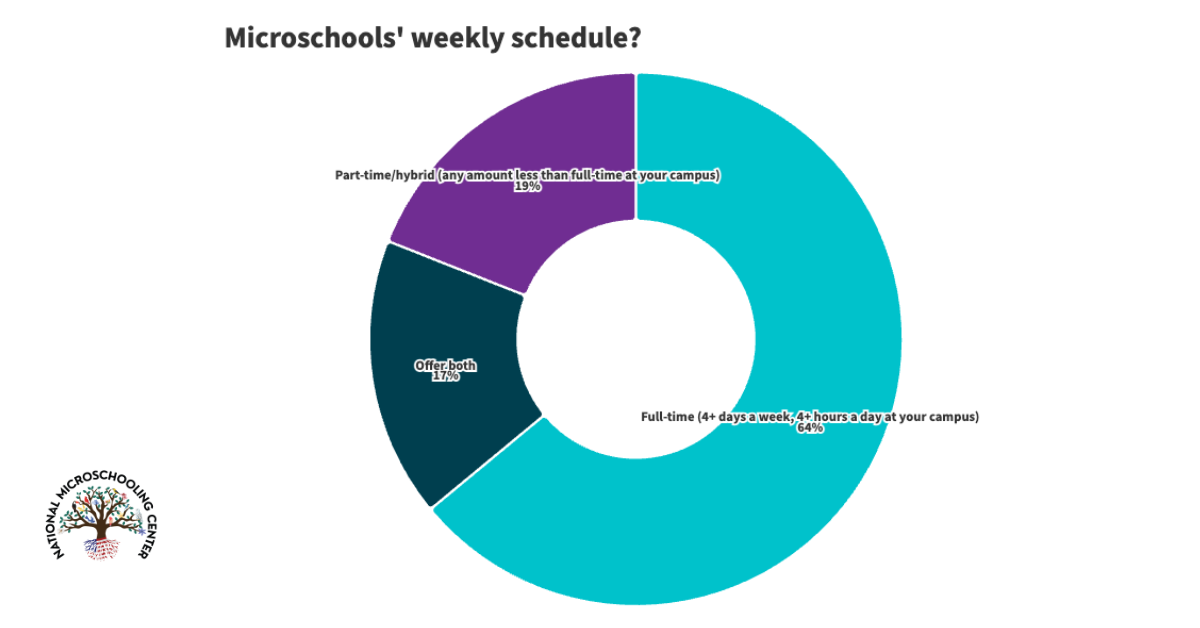
Most microschools surveyed nationally, 64 percent, meet on a full-time weekly schedule. Of those that do not, half offer part-time/hybrid schedules,...