Defining Microschools
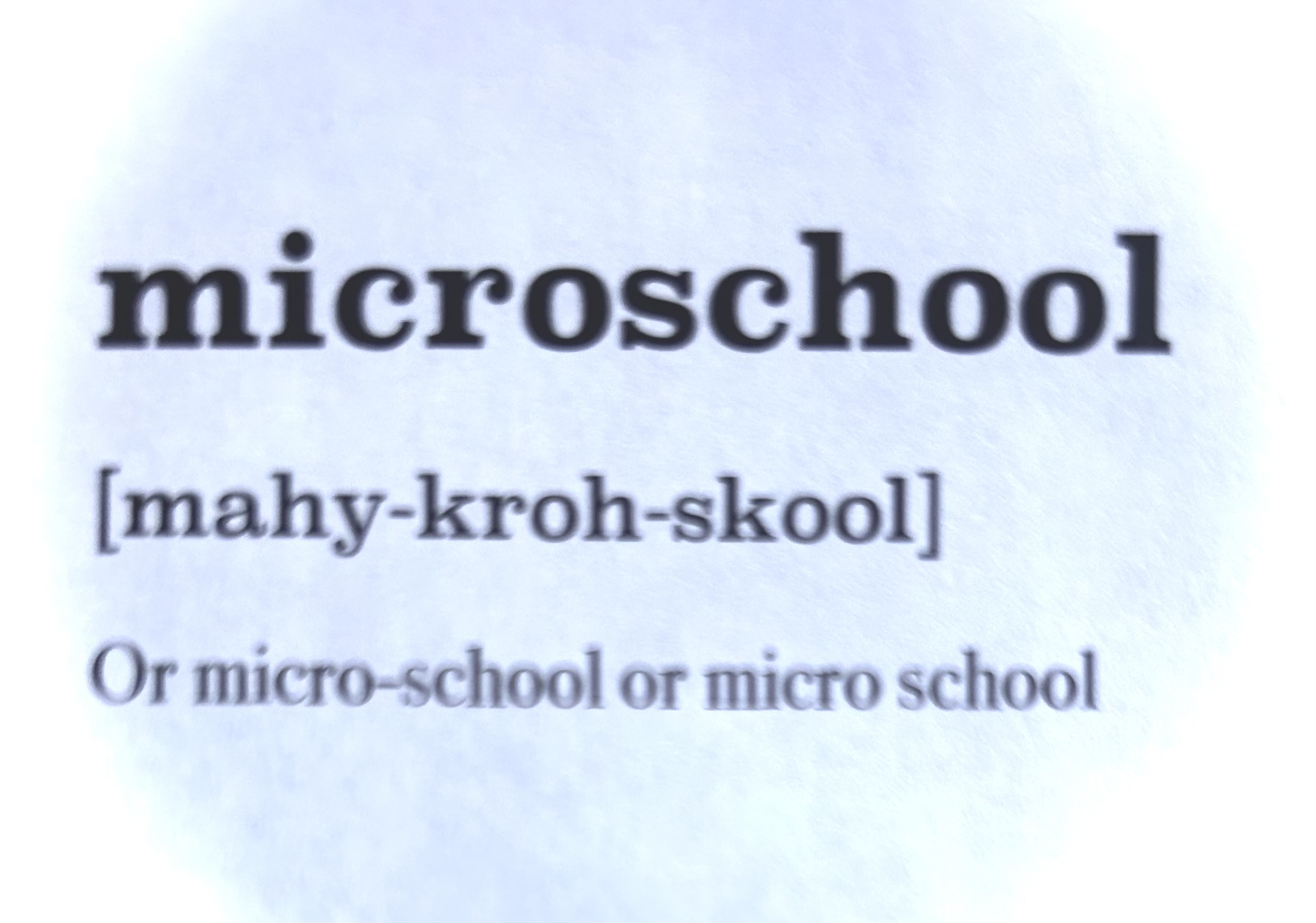
What is the definition of a microschool? We get asked that a lot. Makes sense, being the National Microschooling Center and all.
Microschooling is an undeniably innovative movement. It is fueled by founders who solve problems in real time, families who crave flexibility, and communities that build learning environments as unique as the children they serve. Innovators often run into challenges when they’re at the front of a movement, and microschooling is no exception.
At the National Microschooling Center, we spend every day listening to founders across the country. Their stories reveal a consistent truth: the potential of microschooling is enormous, but the systems surrounding it aren't always keeping up. What are some of the challenges we keep seeing surface?
Microschools move fast. State and local systems do not.
This one comes as no surprise, it’s the tension shows up everywhere: policy, facilities, regulatory requirements, and even the basic frameworks used to interpret what learning is “supposed” to look like. Founders try new scheduling models, reimagine staffing, build mixed-age communities, partner with local organizations, or design project-based/experiential pathways that don’t fit traditional molds. These are exciting innovations. They also collide with outdated regulatory structures not built for small, nimble, community-driven environments.
What are some examples we’ve heard at the Center?
The result is friction that founders have to work through. It’s one more thing on their never ending list of to-do’s to ensure they can open, stay open, and serve students in the way that matters to their community.
Innovation is happening, but modernization of the surrounding systems lags far behind.
Modernizing these frameworks is not about bending microschools into old structures; it’s about ensuring families and founders can confidently operate models that reflect how learning happens today. It’s giving these founders the pathways necessary to create the environments that families are craving.
One of the most persistent challenges in the microschooling movement is the pressure, often from well-meaning policymakers or observers, to create a single, definitive description of what a microschool “is.”
Isn’t that the opposite of the point?
Microschooling is not one model. It is a diverse movement of choices, opportunities and models. It thrives in its ability to adapt, remix, and respond to the real needs of local families. Trying to force a universal definition onto something fundamentally decentralized restricts the very innovation we strive to protect.
When a definition is created, an unintentional border can be drawn around a space meant to stay open. Narrow definitions risk:
When someone approaches the Center about a definition, they usually have questions about size, location, learning-style, how impact is measured, etc. All of these are things that founders choose intentionally for their families, and these choices often look very different from one microschool to the next.
For example, there is a microschool in Las Vegas that follows a rigorous academic curriculum, students are in uniforms sitting in desks in rows. Less than 10 minutes away is an entirely self-directed model where children are working on projects of their choosing when they decide to. Both of these models are microschools. Both of these models serve children well. Both of these models have the right to exist, but a definition of microschool might allow for one but not the other, depending on who was deciding what a microschool “should be.”
Microschools are still growing into their full potential. Putting a definition of “must be” risks shrinking what they could become.
Let’s focus on conditions that allow them to flourish: autonomy, trust, relationships and permission for educators to design something different, not determining what is and what isn’t a microschool.
Everything about microschooling is decentralized. The EdTech industry is used to working with centralized systems.
There’s a struggle here many are beginning to understand.
Most edtech platforms and business models were built to sell to one large school district at a time, systems with centralized IT, predictable purchasing cycles, and standardized processes. Microschools, by contrast, operate in diverse constellations with varying school calendars, diverse tech needs and abilities, and oftentimes a founder who wears the hat of administrator, IT department, lead teacher, janitor and more.
What founders tell us:
What providers tell us:
This mismatch creates a growing opportunity: edtech companies have a chance to design for the future of education, not its past. Those who listen to microschool founders today will have a competitive advantage tomorrow. At the Center we are fortunate to have partners who are actively working through these challenges together, we’re facilitating a series of conversations between service providers and microschool founders. These providers are striving to understand how to work together, providing founders with the tools they need in a way that allows for long term relationships.
Innovation in microschooling isn’t slowing down. Families want more options. Communities want solutions built for them. Founders want room to build new models, not replicate old ones.
At the Center, we work every day to help founders navigate these challenges, to connect policymakers with the realities on the ground, and to support partners who want to build with, not around, this movement. Microschooling is transforming what education can look like. Removing unnecessary friction ensures that transformation continues, expands, and reaches every learner who needs it.
What is the definition of a microschool? We get asked that a lot. Makes sense, being the National Microschooling Center and all.
Finalized rules for the Texas Education Freedom Accounts program were published by the state comptroller yesterday, and are available online here.
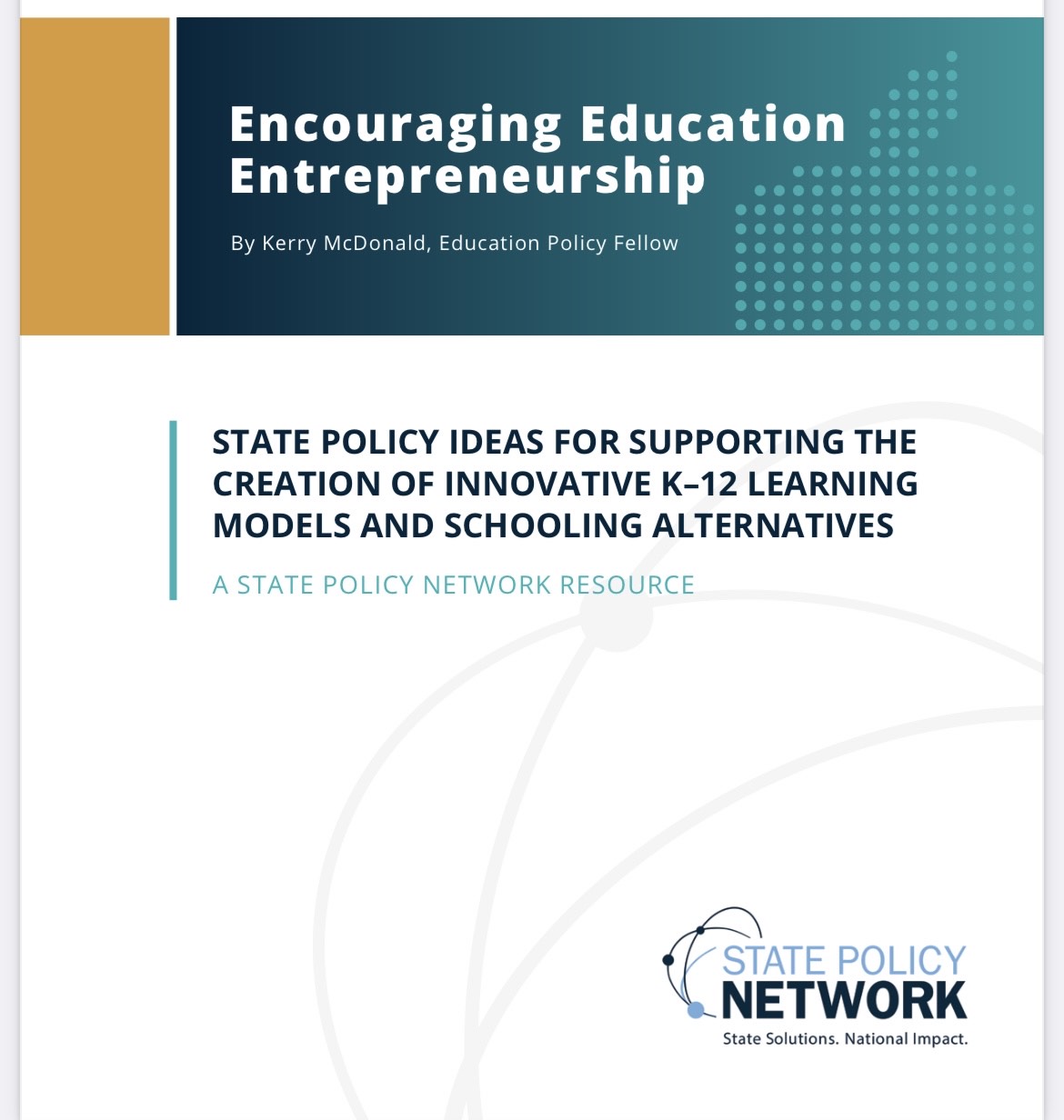
America’s fast-growing microschooling movement is driven by local leaders who may not think of themselves as entrepreneurs in the sense that, had...